National Federation of Federal Employees, affiliated with the International Association of Machinists and Aerospace Workers, AFL-CIO


NFFE News
- February 17, 2026
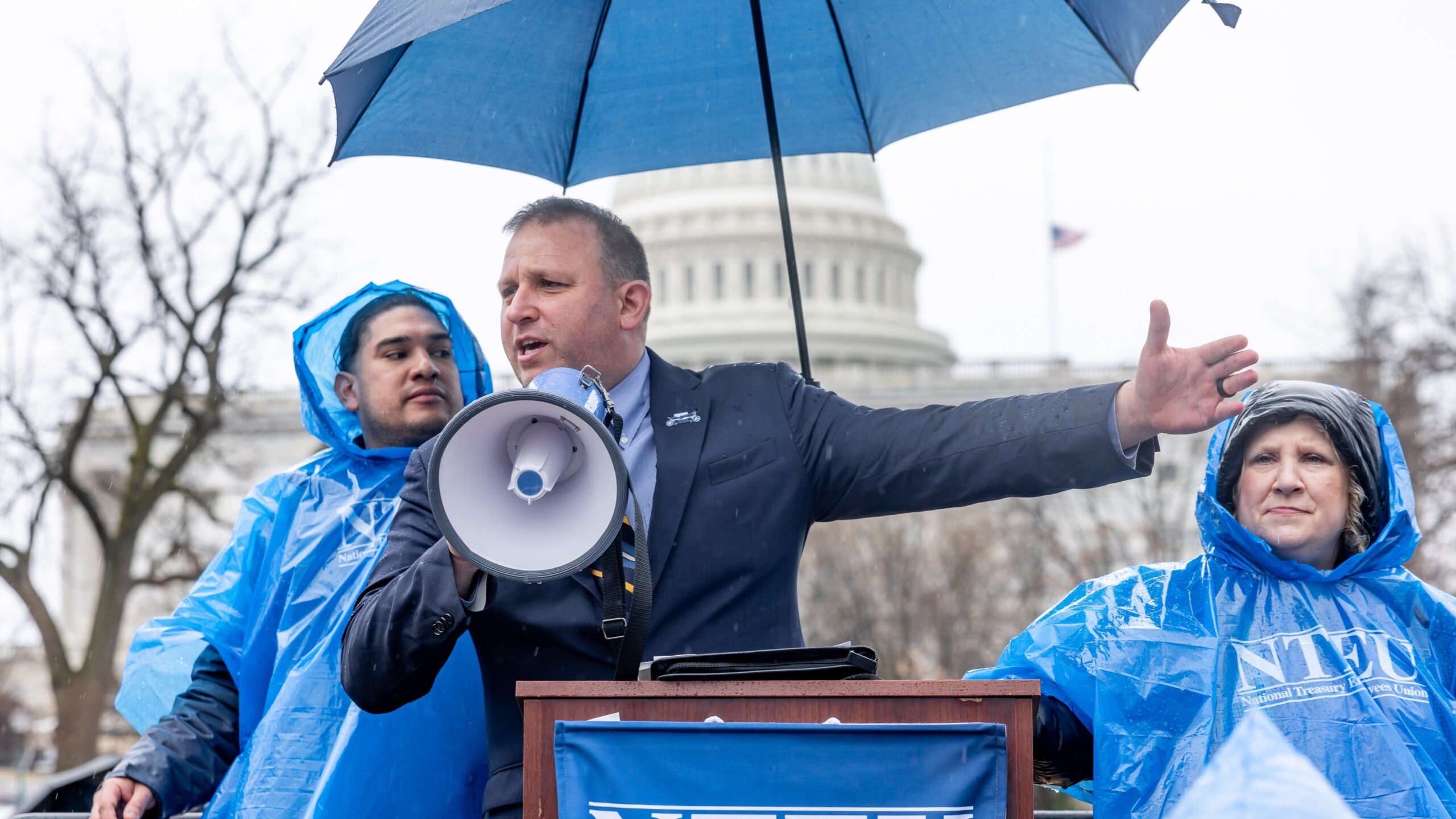
NFFE Calls on Congress to Pass the Protect America’s Workforce Act After OPM Attempt to Force Compliance with Trump’s Unlawful Union-Busting
OPM issued a memo last week directing agency heads to cancel or amend collective bargaining agreements at agencies impacted by President Trump’s March executive order. - February 12, 2026
VIDEO: 2025 Year in Review with NFFE National President Randy Erwin
Watch Now: Review of NFFE accomplishments last year. - February 12, 2026
NFFE Mourns the Passing of Former IAM Director of Government Employees Frank Carelli
Frank was instrumental in NFFE’s successful affiliation with the IAM and served as a trusted mentor to many young professionals at NFFE, the IAM, and across the labor movement. - February 6, 2026
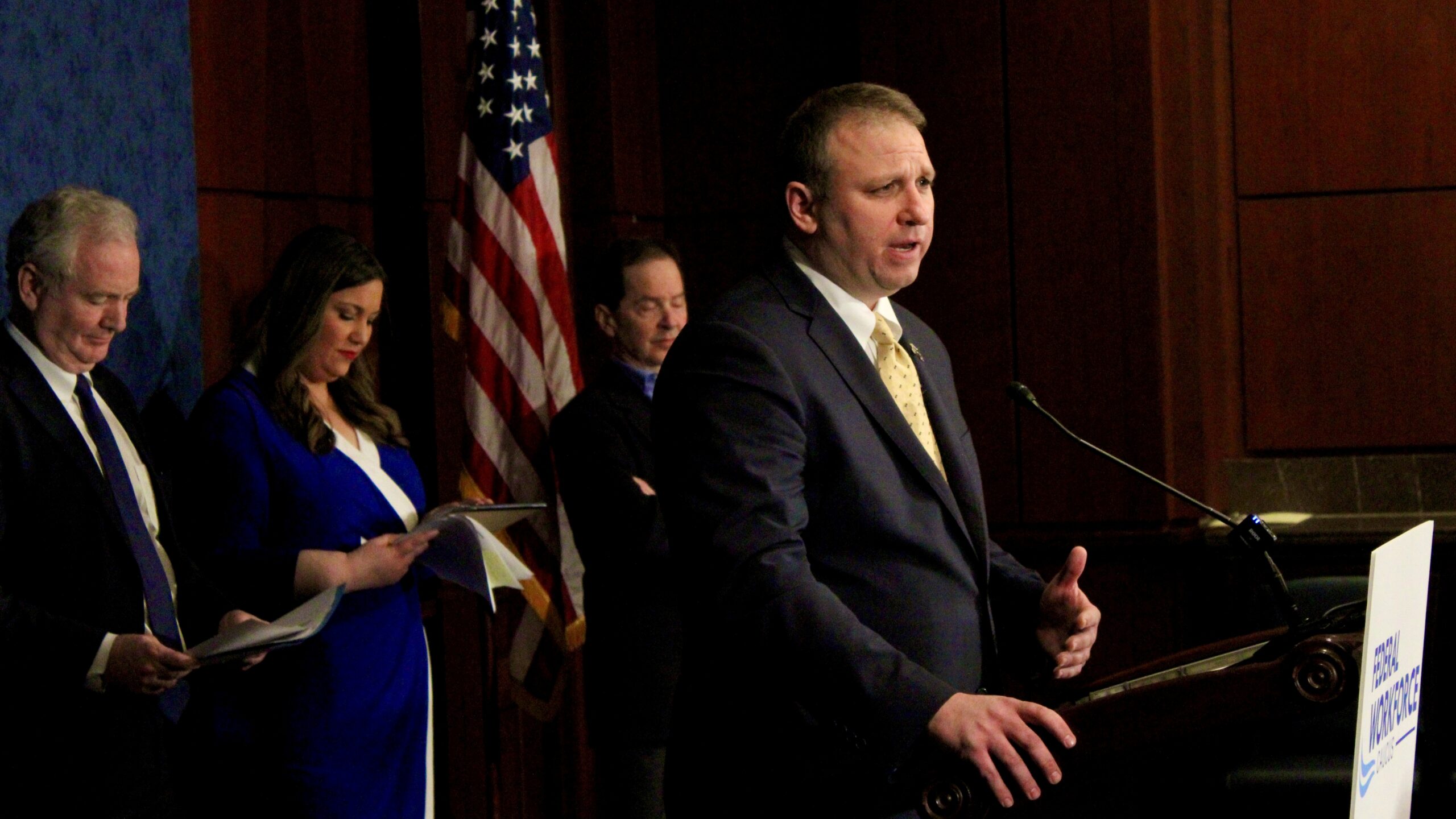
NFFE Joins Congressional Leaders and Labor Partners to Launch Federal Workforce Caucus
The Federal Workforce Caucus will ensure the civil service is protected and strengthened, and critical services are delivered to the public while maintaining a skilled, apolitical workforce. - February 5, 2026
Trump Administration Moves to Politicize the Executive Branch Through Schedule PC; Congress Must Act Now
Schedule PC would enable the mass politicization of government by allowing political loyalty – rather than merit, expertise, and the law – to determine who serves and who is removed.

NFFE In the Media
Feb 17, 2026
IAM Union News
IAM Union Mourns Loss of Retired Government Employees Director Frank Carelli
NFFE is
America's First
federal employee union, having ratified its
constitution on September 17, 1917.