National Federation of Federal Employees, affiliated with the International Association of Machinists and Aerospace Workers, AFL-CIO



NFFE News
- April 23, 2024
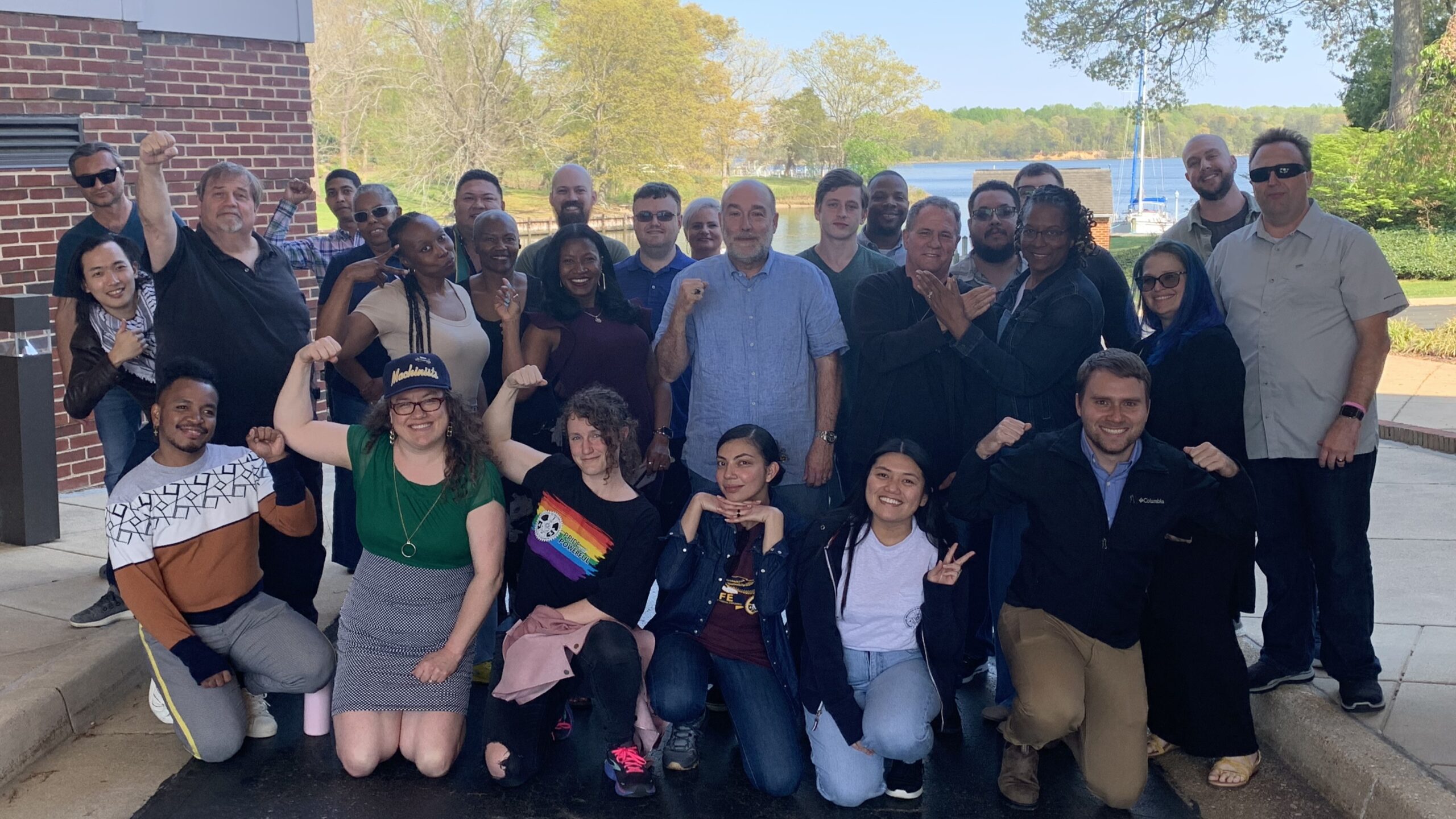
IAM Celebrates Addition of 320+ New Members Through NFFE-IAM Internal Growth Initiatives
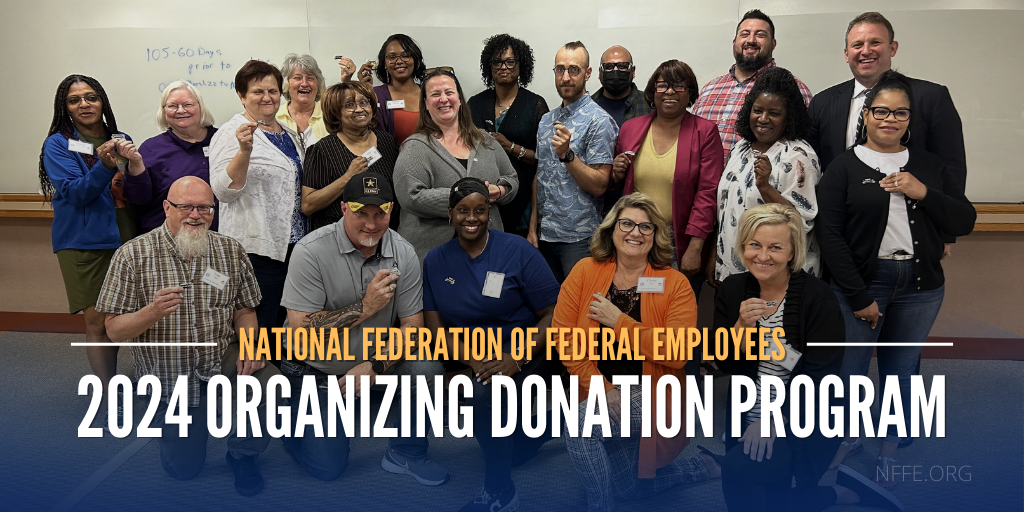
The recent internal organizing campaign, which represents the first phase of this year’s initiatives, has culminated in the enrollment of 325 individuals. - April 18, 2024
NFFE Local 639 Playing Vital Role in Aftermath of Baltimore Key Bridge Collapse
Local 639 represents employees working for the U.S. Army Corps of Engineers (USACE) Baltimore District, where NFFE-IAM members are actively involved in the response to the collapse of the Key Bridge. - April 16, 2024
Member Spotlight: NFFE-IAM Local 178’s Jansen Robinson Serves Armed Forces, Community
By day, NFFE-IAM Local 178 member Jansen Robinson assumes the role of a physical security specialist at the Aberdeen Proving Grounds Combat Capabilities Development Command Chemical Biological Center. - April 11, 2024
NFFE Convention Zoom Recording
View the meeting recording for more information on NFFE's 52nd National Convention! - April 11, 2024
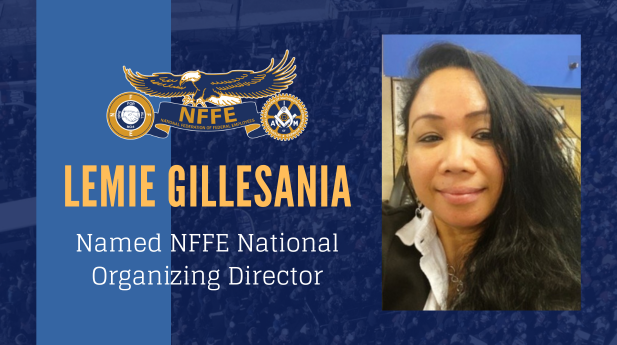
Lemie Gillesania Appointed as NFFE National Organizing Director
Gillesania’s appointment to National Organizing Director comes on the heels of NFFE’s recent organizing success throughout the country. Over the past two years, NFFE has experienced a net growth of 25%, making the union one of the fastest – if not the fastest – growing unions in America.




NFFE In the Media
Apr 16, 2024
Inside Climate News
Low Wages and Health Risks Are Crippling the U.S. Wildland Firefighting Forces
Apr 10, 2024
NBC Portland
Experts worry arrest of Oregon ‘burn boss’ could have chilling effect on prescribed fires
Apr 08, 2024
Federal News Network
With ‘spying bosses’ on the rise, where do federal agencies stand on employee monitoring?
NFFE is
America's First
federal employee union, having ratified its
constitution on September 17, 1917.